OPINION: Beyond therapy-speak and self-care: where mental health awareness still falls short | Opinion
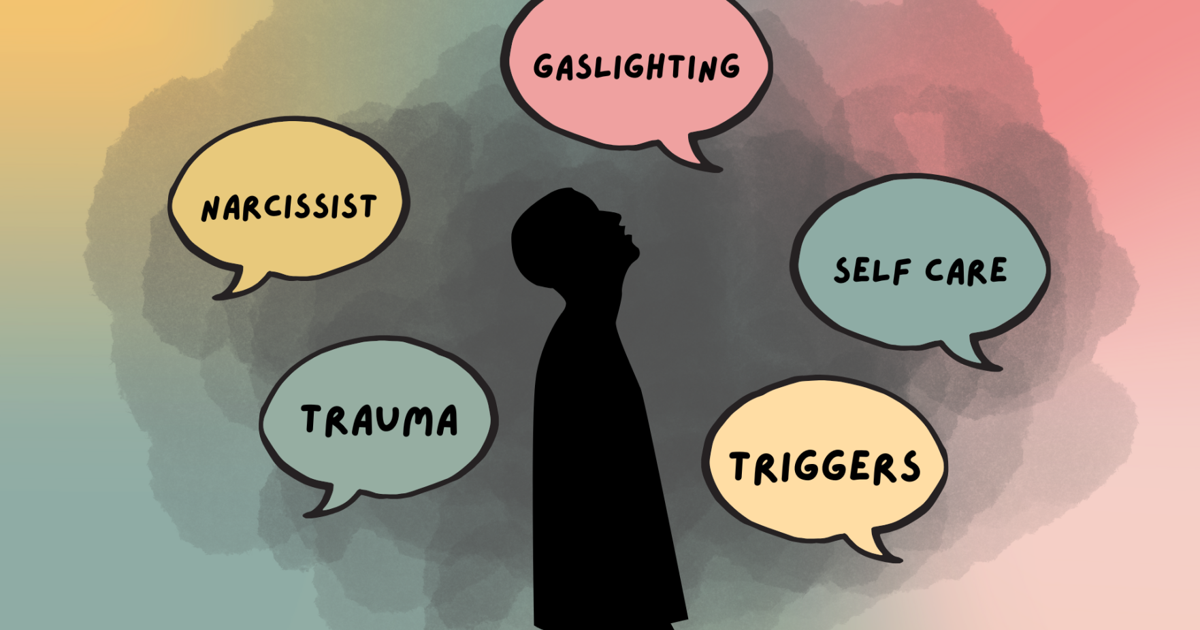
In today’s society, the topic of mental wellness is borderline unavoidable. From the influx of ads for apps like BetterHelp to the booming market for self-care products and even the increased practice of meditation, many of our most popular cultural trends and interests are centered around emotional and mental wellbeing. It speaks to a growing social awareness of mental health and its importance in our lives.
When it comes to this shift, Gen Z is leading the charge. Compared to previous generations, Gen Z are more likely to openly discuss their mental health struggles and seek professional treatment. The growing use of “therapy-speak” is another sign of change: references to “trauma” or attempts to heal an “inner child” have now become staples of casual conversation.
But while these developments aim for a positive cause, they still have certain limitations. Mental health trends usually push feel-good ideas of self-care: they encourage us to take yoga classes, practice mindfulness, recite positive affirmations and set boundaries. While these tips certainly increase awareness of our emotional wellbeing, they are more focused on mental health maintenance for a generalized audience.
The focus on broadly applicable self-care is not always helpful to those with severe mental health issues, and the increased discussion of mental health amongst nonprofessionals on social media can lead to misinformation. The end result is that, even with the rise of mental wellness culture, social biases towards mental illness are still alive and well.
One way this bias manifests is with the glamorization of mental illness. Pop culture and social media often falls into the trap of portraying people with mental health issues as more interesting or somehow tragically romantic. This leads people to interpret symptoms of mental illness as a unique personal quirk, rather than a debilitating condition that limits people in their professional and personal lives.
On the flip side, the misrepresentation of mental illness as dangerous and violent is also an ongoing problem. While conditions such as anxiety and depression may be more normalized than they once were, others, such as bipolar disorder or schizophrenia, are still wildly misunderstood and stigmatized by the general public. It’s representative of our continued tendency to associate violent crime with mental illness— something that ignores evidence indicating otherwise.
Though the time of labeling emotional women as hysterical or locking struggling family members away out of shame may be largely in the past, the assumptions born from that mindset clearly linger in our modern attitudes. These are issues that no amount of mental health vacations or meditation sessions can truly fix.
This is not to say that increased mental health awareness has had no benefits for people with mental illnesses. In fact, it has led to improved attitudes towards mental health issues. The same wellness culture that pushes people to take yoga classes may also encourage others to seek professional help when needed. Many universities also provide more mental health services than they did in the past; this can help prevent the social and educational pressures of college life from developing into full-blown mental health conditions.
But it’s clear that, so far, awareness of the issue alone is not enough to help people in crisis. We need to reach a better collective understanding of how mental illness works and what it is like to live with it. In a post-coronavirus era where mental health issues are becoming more prevalent than ever, it’s worth reexamining what we think we know about these conditions. For those who are struggling, a little more empathy could make all the difference.
link