Adult survivors of childhood cancer at higher risk for meningiomas : Newsroom


A new study led by UT Southwestern outlines the risks of brain tumors among adults who were treated as children for cancer. (Photo credit: Getty Images)
DALLAS – Feb. 10, 2026 – Certain chemotherapies are associated with an increased long-term risk of subsequent tumors in survivors of childhood cancer, according to a study led by researchers at UT Southwestern Medical Center. The findings, published in JAMA Network Open, could have important implications for the care of adults who had cancer as a child, particularly those treated for leukemia and brain tumors.
“This is the first large study that follows childhood cancer survivors into adulthood to demonstrate that specific chemotherapies – in addition to cranial radiation – independently increase the risk of single and multiple meningiomas, underscoring the need for lifelong monitoring as survivors age,” said lead author Daniel C. Bowers, M.D., Professor of Pediatrics in the Division of Pediatric Hematology and Oncology at UT Southwestern and Medical Director of Pediatric Neuro-Oncology at Children’s Health. Dr. Bowers also serves as Medical Director of the After the Cancer Experience (ACE) Program for childhood cancer survivors and is a member of the Harold C. Simmons Comprehensive Cancer Center and the Peter O’Donnell Jr. Brain Institute.
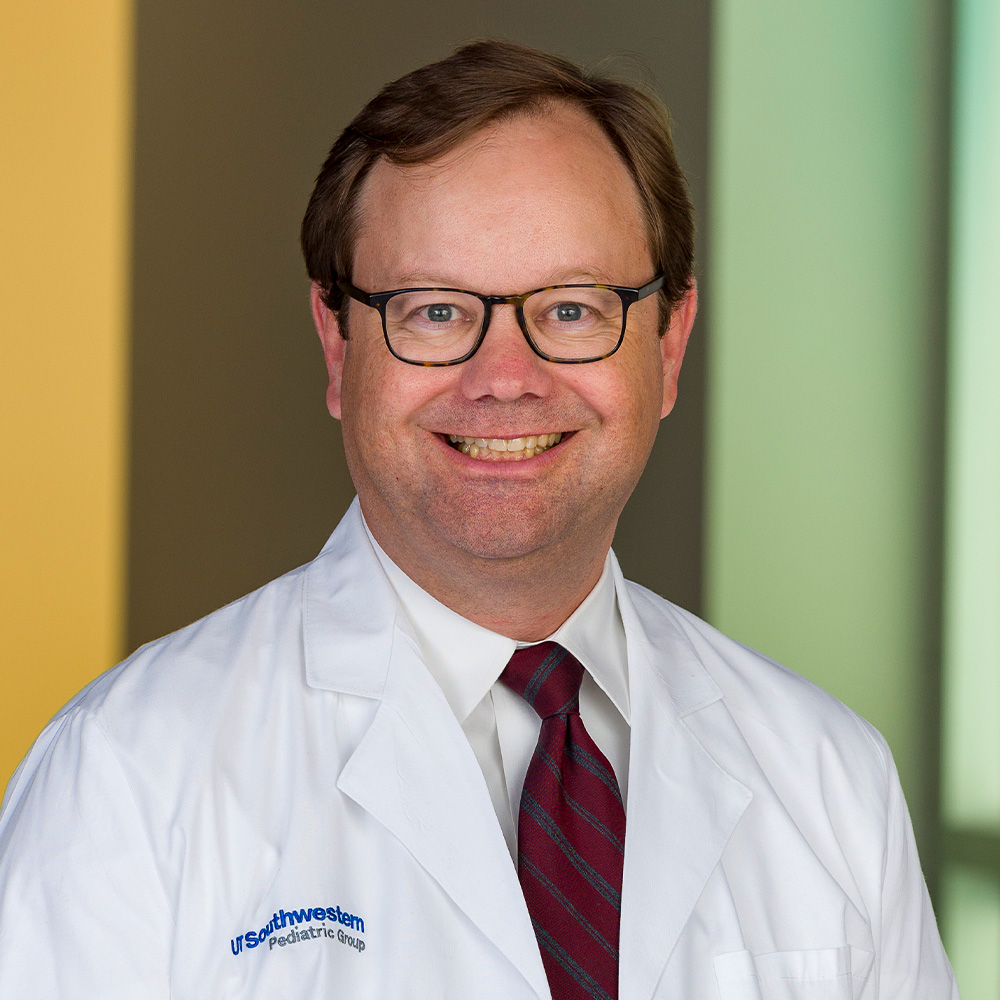
Daniel C. Bowers, M.D., is Professor of Pediatrics in the Division of Pediatric Hematology and Oncology at UT Southwestern and Medical Director of Pediatric Neuro-Oncology at Children’s Health. Dr. Bowers also serves as Medical Director of the After the Cancer Experience (ACE) Program for childhood cancer survivors.
The study analyzed data from the Childhood Cancer Survivor Study (CCSS), a National Cancer Institute-funded, multi-institutional cohort of 24,886 individuals diagnosed with cancer before age 21 between 1970 and 1999 who survived at least five years after diagnosis. Among these survivors, 471 were diagnosed with a total of 710 meningiomas decades after their original cancer treatment. Meningiomas are tumors that form in the membranes surrounding the brain and spinal cord, and most are benign and treatable. Thirty-five years after primary cancer diagnosis, survivors had a cumulative meningioma incidence of 2.3%, with risk continuing to rise across adulthood.
Cranial radiation therapy (CRT) has long been recognized as a major risk factor for the development of subsequent meningiomas. However, this study is the first to demonstrate that specific chemotherapy agents independently contribute to risk, even after accounting for radiation exposure.
“This study newly identifies platinum agents, antimetabolite chemotherapy, and intrathecal methotrexate as independent risk factors for subsequent meningiomas,” Dr. Bowers said.
In addition to chemotherapy exposure and CRT, the study identified females and patients who were first diagnosed with cancer at a younger age as being at particular risk. Nearly one-third of affected survivors developed multiple meningiomas, and long-term follow-up showed substantial mortality: Nearly 1 in 5 survivors diagnosed with meningioma died within 15 years, with meningioma itself the most common cause of death. These findings highlight the complex medical needs of long-term cancer survivors and reinforce the importance of early detection and specialized follow-up care.
Unlike meningiomas in the general population, which typically occur later in life, survivors in this study developed tumors decades earlier, underscoring the need for lifelong risk-based follow-up.
With these findings, the risk of subsequent meningiomas for childhood cancer survivors is still low overall and extremely low for those not exposed to cranial radiation. Only those adult patients who develop symptoms, such as headaches, weakness, or behavioral changes, should be considered for screening, researchers noted.
Dr. Bowers has previously led clinical studies examining morbidity and mortality among childhood cancer survivors with secondary meningiomas and has served as lead investigator in the development of screening guidelines through the International Late Effects of Childhood Cancer Guideline Harmonization Group.
The findings support efforts to refine long-term counseling, surveillance, and screening strategies for survivors at highest risk. The ACE Program through UT Southwestern and Children’s Health provides comprehensive, lifelong follow-up care for individuals treated for cancer during childhood, adolescence, or young adulthood.
“This study provides a clearer understanding of meningioma risk and long-term outcomes among childhood cancer survivors,” Dr. Bowers said. “It supports the development of more targeted counseling and screening recommendations for those at highest risk.”
This research was funded by grants from the National Cancer Institute (U24CA55727) and the National Cancer Institute Cancer Center Support Grant (P30CA142543).
About UT Southwestern Medical Center
UT Southwestern, one of the nation’s premier academic medical centers, integrates pioneering biomedical research with exceptional clinical care and education. The institution’s faculty members have received six Nobel Prizes and include 24 members of the National Academy of Sciences, 25 members of the National Academy of Medicine, and 13 Howard Hughes Medical Institute Investigators. The full-time faculty of more than 3,300 is responsible for groundbreaking medical advances and is committed to translating science-driven research quickly to new clinical treatments. UT Southwestern physicians in more than 80 specialties care for more than 143,000 hospitalized patients, attend to more than 470,000 emergency room cases, and oversee nearly 5.3 million outpatient visits a year.
link